Beginning January 1, 2026, the City of Cape Coral implemented major updates to its residential rental property registration program that directly affect vacation rental owners, Airbnb properties, seasonal rentals, and investment homes throughout the city.
The changes include annual registration requirements, new yearly fees, increased enforcement, and higher penalties for non-compliance.
What Are the New Registration Fees?
| Rental Type | Fee |
|---|---|
| Long-term (more than 6 months) | $35 annually |
| Short-term (6 months or less) | $350 annually |
According to the city, these fees help offset administrative costs, code enforcement, compliance monitoring, and public safety services associated with rental properties.
Who Must Register?
The registration requirements apply to most residential rental properties in Cape Coral, including:
- Single-family homes
- Condos
- Duplexes
- Multi-family properties
- Vacation rentals
- Seasonal rentals
- Airbnb and VRBO properties
Even out-of-state property owners are required to comply with the annual registration program.
What Happens If Owners Don't Register?
The city has significantly increased enforcement measures and penalties for non-compliance. Potential penalties include:
- $1,000 fine for the first violation
- $2,000 fines for repeat violations
- Additional penalties for ongoing violations
Late renewals and failure to comply may also trigger additional code enforcement actions.
Why This Matters for Cape Coral Investors
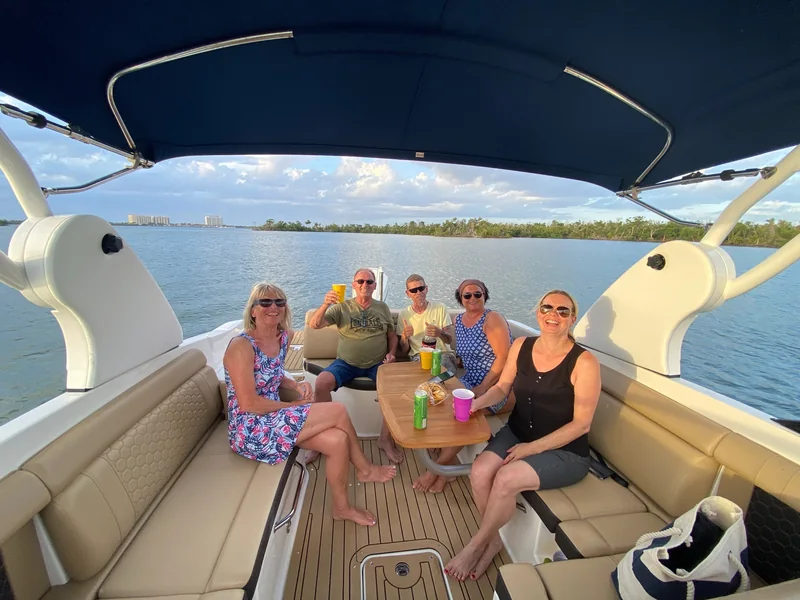
Many buyers purchase homes in Cape Coral specifically for seasonal use or vacation rental income. These new rules may affect operating expenses, investment calculations, property management requirements, compliance responsibilities, and overall rental profitability. For investors considering a vacation rental purchase, understanding local regulations before buying has become more important than ever.
Local Insight Most Buyers Don't Think About
One of the biggest mistakes out-of-state buyers make is assuming all waterfront homes perform equally as vacation rentals. In reality, rental demand and long-term value can vary significantly depending on Gulf access location, boating travel time, neighborhood appeal, bridge restrictions, parking limitations, vacation rental compatibility, and proximity to restaurants and marinas.
Two homes may look similar online but can perform very differently as investment properties.
Frequently Asked Questions
Do I need to register a short-term rental in Cape Coral?
Yes. As of January 1, 2026, Cape Coral requires annual registration for short-term rentals, vacation rentals, Airbnb and VRBO properties, and most other residential rental types.
How much does rental registration cost?
Long-term rentals (more than 6 months) cost $35 per year to register. Short-term rentals (6 months or less) cost $350 per year.
Are out-of-state owners exempt from registration?
No. Out-of-state property owners are required to comply with the annual registration program the same as local owners.
What happens if I don't register my rental property?
Penalties include a $1,000 fine for the first violation, $2,000 for repeat violations, and additional penalties for ongoing non-compliance. Late renewals can also trigger further code enforcement action.
Thinking about a vacation rental purchase?
With years of local boating and property-management experience, Christina helps buyers look beyond the listing and understand how a property will actually perform.